TURNING IDEAS INTO GOLD
We are a future forward boutique film production, media and marketing company, based in Cape Town. We have produced several award winning independent films and successful client media campaigns.
Get in touch.
Services
Welcome to Tribal Alchemy: Crafting Cinematic ExcellenceMedia and Marketing Campaigns:
Dive into innovative media and marketing campaigns tailored to captivate audiences and drive tangible results. Our team harnesses cutting-edge strategies and creative storytelling to amplify your brand's message across various platforms.
Screenwriting
From concept to completion, our team of seasoned writers crafts compelling scripts that resonate with your audience. We specialize in narrative arcs that evoke emotion, intrigue, and engagement, ensuring your story leaves a lasting impact.
Script Editing
Elevate your script to its fullest potential with our meticulous editing services. We refine dialogue, enhance character development, and fine-tune plot intricacies to ensure a seamless narrative flow and maximum audience engagement.
Cinematography for Films
Our skilled cinematographers utilize the latest cinema equipment, including high-resolution cameras and advanced stabilization technology, to capture breathtaking visuals that elevate your storytelling. Whether it's sweeping landscapes or intimate character moments, we bring your vision to life with unparalleled precision and artistry.
Editing
Our post-production team utilizes industry-leading software such as DaVinci Resolve to expertly assemble and refine your footage. From scene transitions to visual effects, we ensure every frame is polished to perfection, maintaining the integrity of your creative vision.
Colour Grade
Harness the power of colour to enhance the mood and atmosphere of your film. Our colourists leverage the latest grading techniques and software capabilities within DaVinci Resolve to achieve cinematic excellence, ensuring your visuals leave a lasting impression on audiences.
© Tribal Alchemy. All rights [email protected]
FILMS
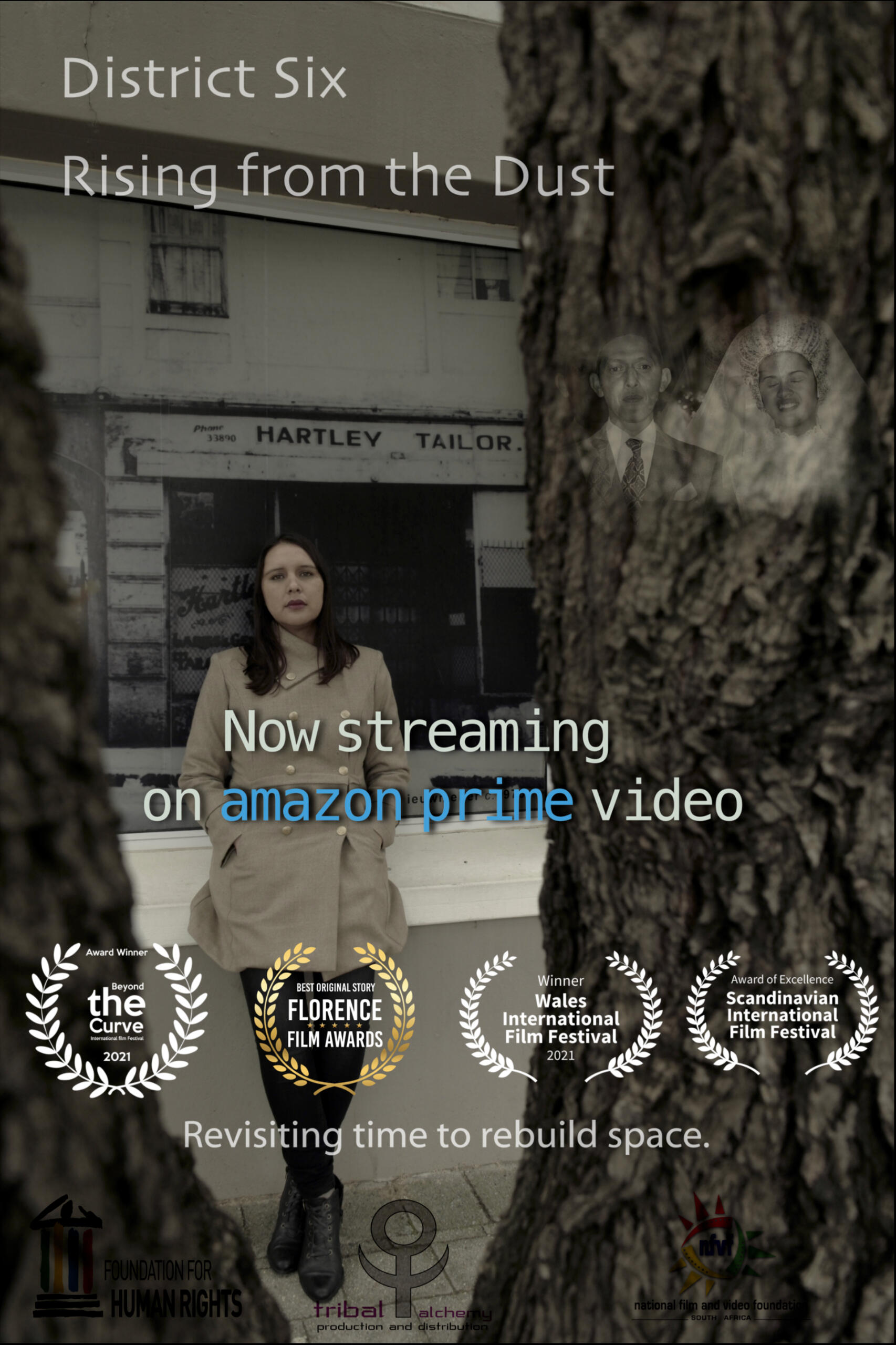
The memory of District Six is as iconic to Cape Town as Table Mountain.
It is remembered as a cosmopolitan neighbourhood, and a hub of art, music and culture. It is the neighbourhood right next to Cape Town’s cbd.
In 1960 District Six was declared a whites only area. This declaration was formalised with the Apartheid Group Areas Act of 1966 advocating the “Divide and Rule” ideology.
It is estimated that approximately 60 000 to 80 000 people were forcibly removed from District Six. The director moved into the neighbourhood in 2013, in a house restituted to her family.
The move awoken scars, intergenerational scars.
For the first time she understood the impact of forced removals and the legacy of what was disrupted. It awoken a deeper understanding of what her family had lost and the direct impact of Apartheid’s segregatory laws.
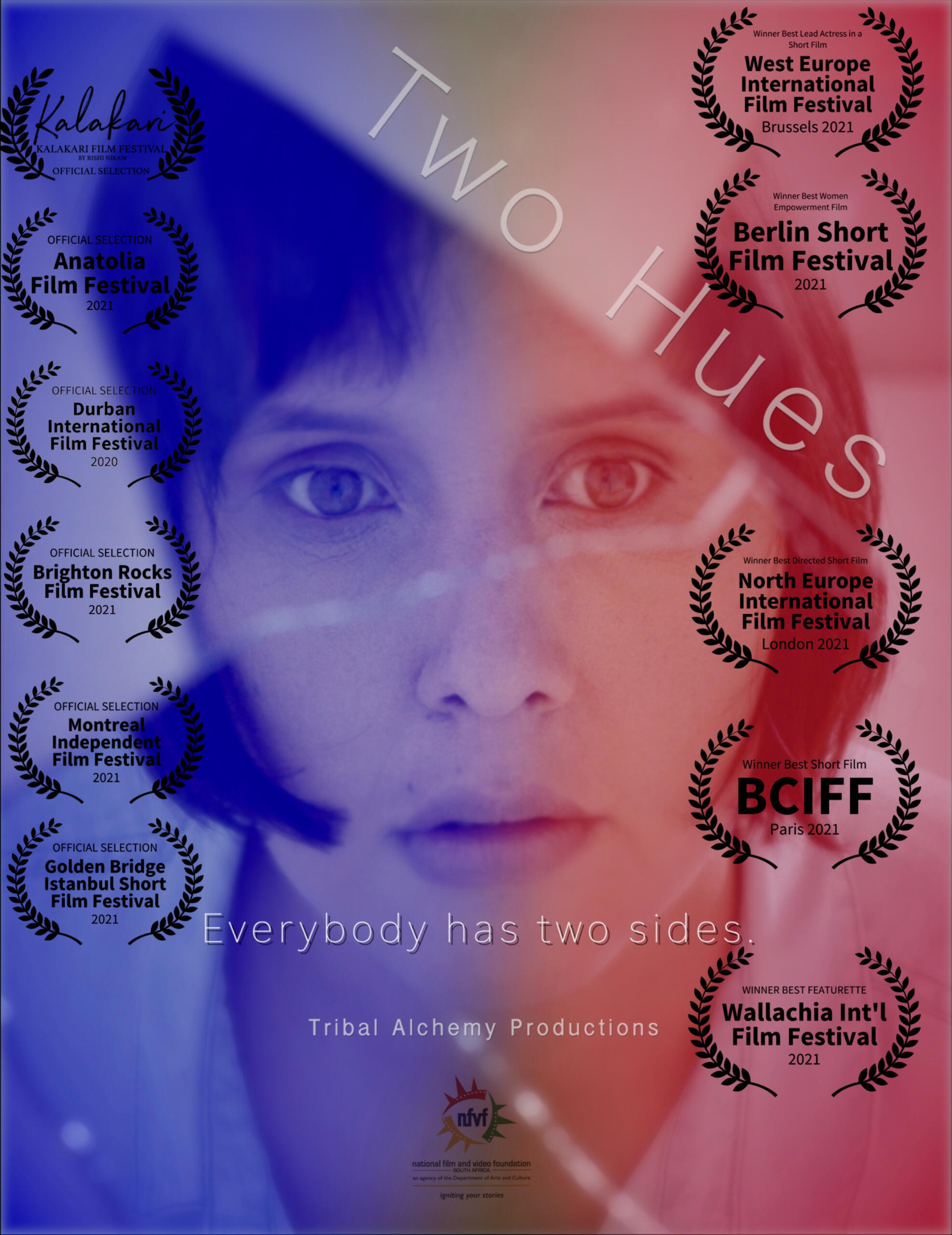
Natasa, is a bipolar photographer and silent victim of sexual assault who wants to experience peace of mind and independence. She manages to cope with the patriarchy at home and at work until the lines between art and rationality are blurred.
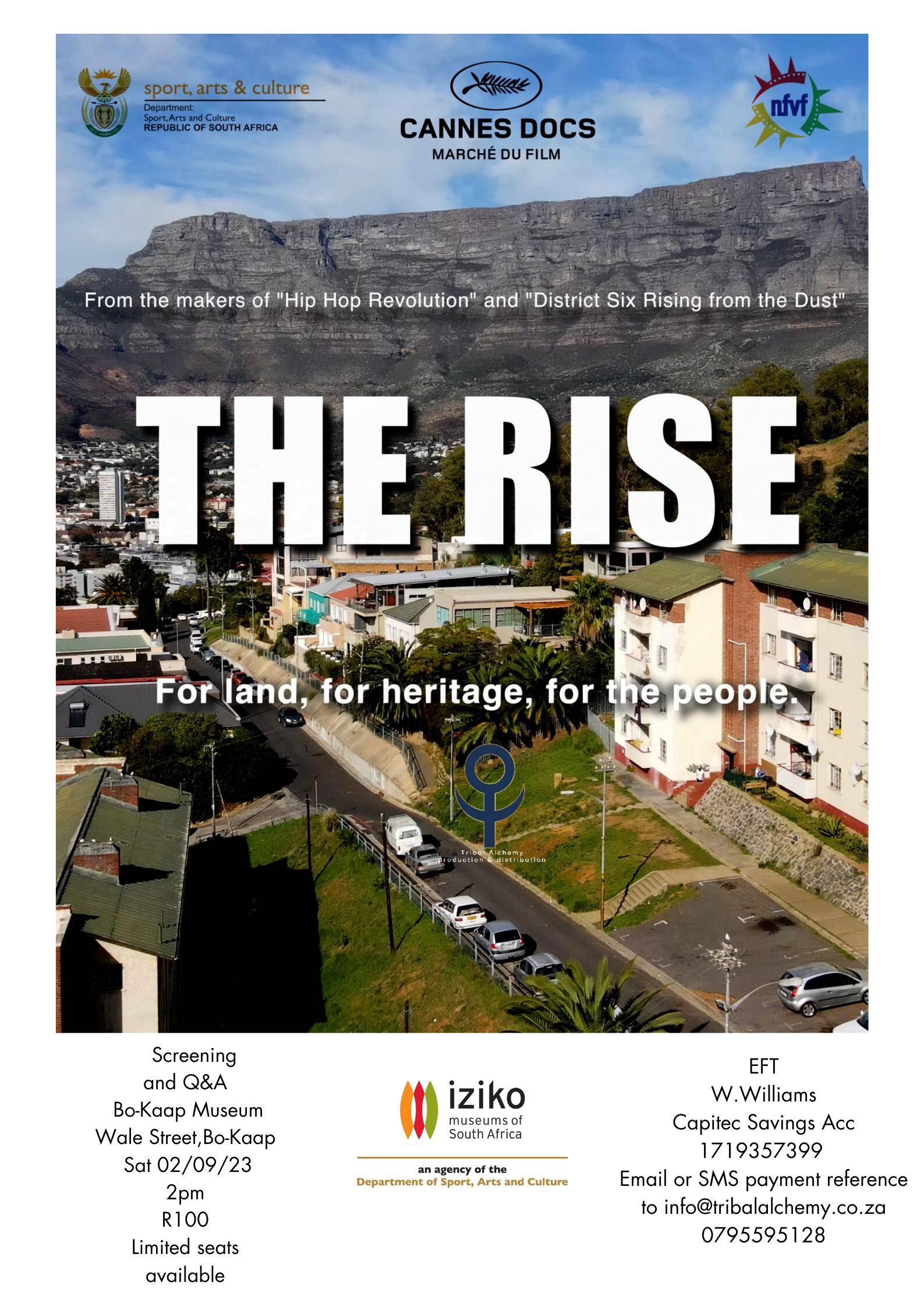
The roots of Islam in South Africa, begin in the 1600’s in the Cape, where the Dutch had brought indentured labourers and political prisoners from the Malay Archipelago, which formed part of the VOC spice route.The culture of these ancestors is visible in a neighbourhood called Bo-Kaap, with colourful homes, cobbled stone roads, spice shops, mosques and a general Eastern aesthetic.The Rise captures the story of Bo-Kaap via the intersecting journeys of four protagonists, who share their story of community, gender, identity and access to land pre, during and post pandemic.
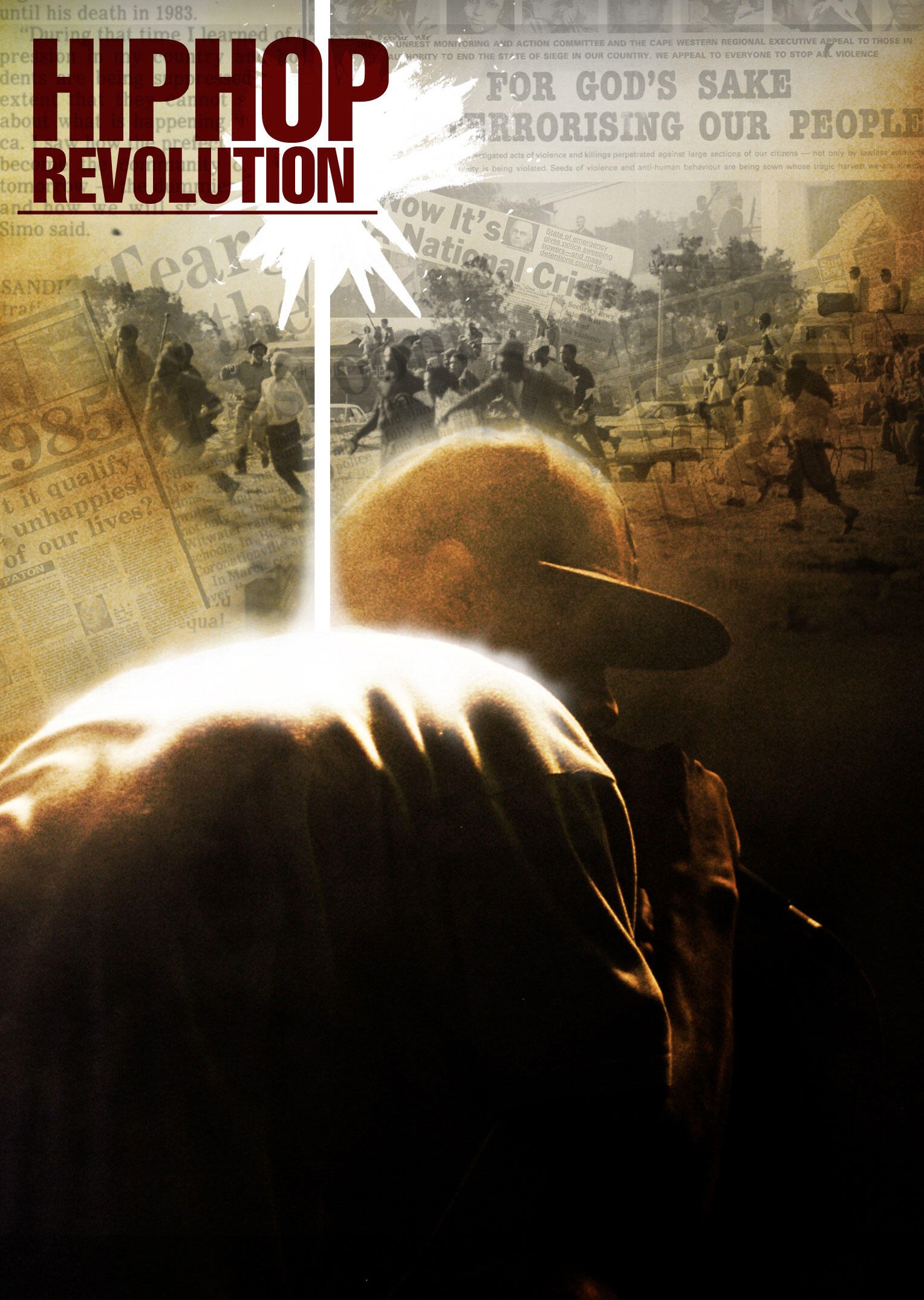
Hip-Hop Revolution looks at youth involvement in apartheid politics with particular
reference to the Cape Flats state of emergency in the 1980s and the influence of Black
Consciousness hip-hop music on the thinking of young people living under apartheid. It reflects on hip-hop activism in SA in 2004/2005. Directorial debut of Weaam Williams,
Hip-Hop Revolution saw its’ local festival release in SA summer of 2006 and
international release at Silverdocs in 2007; where it was nominated for the “best music film award”. It was awarded the Best-Edited film at Reel Sisters in New York City 2008, where the acclaimed Spike Lee was on the jury. Hip-Hop Revolution has been broadcasted in 28 countries, and screened at festivals on
every continent.
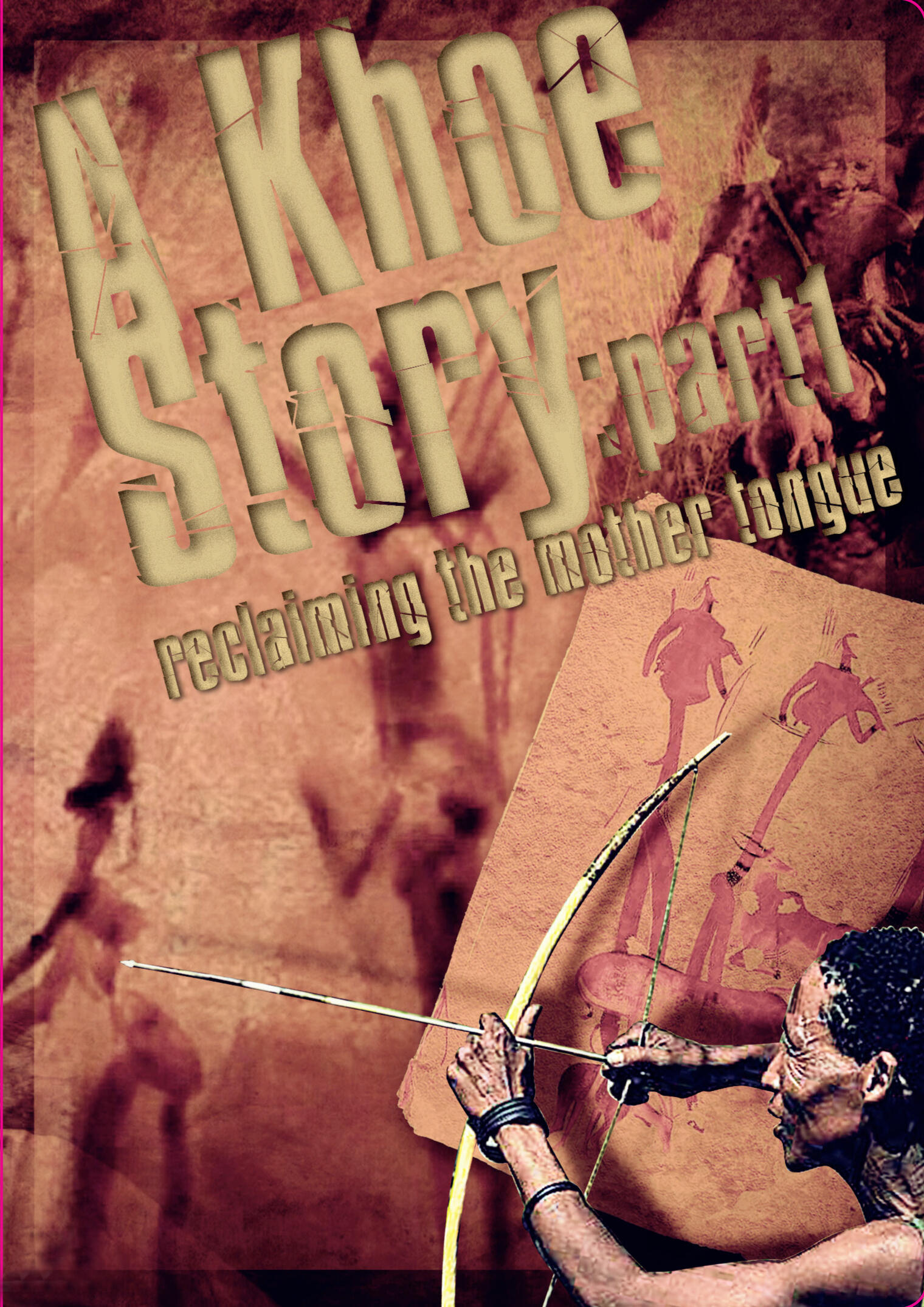
This documentary explores the history of Khoekhoegowab, the collective term used for South Africa’s indigenous languages, which are currently on the brink of extinction.
The Khoe and San people are regarded as the most ancient human communities on earth and there language is one of the oldest on the planet. The film focuses on the impact of colonialism and Apartheid, as well as the subsequent institutionalisation of English and Afrikaans in South Africa, and the quest to eradicate the Khoe-San mother tongue.
By offering an overview of various colonial laws and the strategic acquisition of land by the Dutch and British, this insightful documentary sketches the forgotten story of how South Africa’s First People were left landless with their culture and language virtually annihilated.
The film explores the undercurrent of a movement in the Khoe-Khoen community to reclaim and re-learn the language after centuries of suppression.
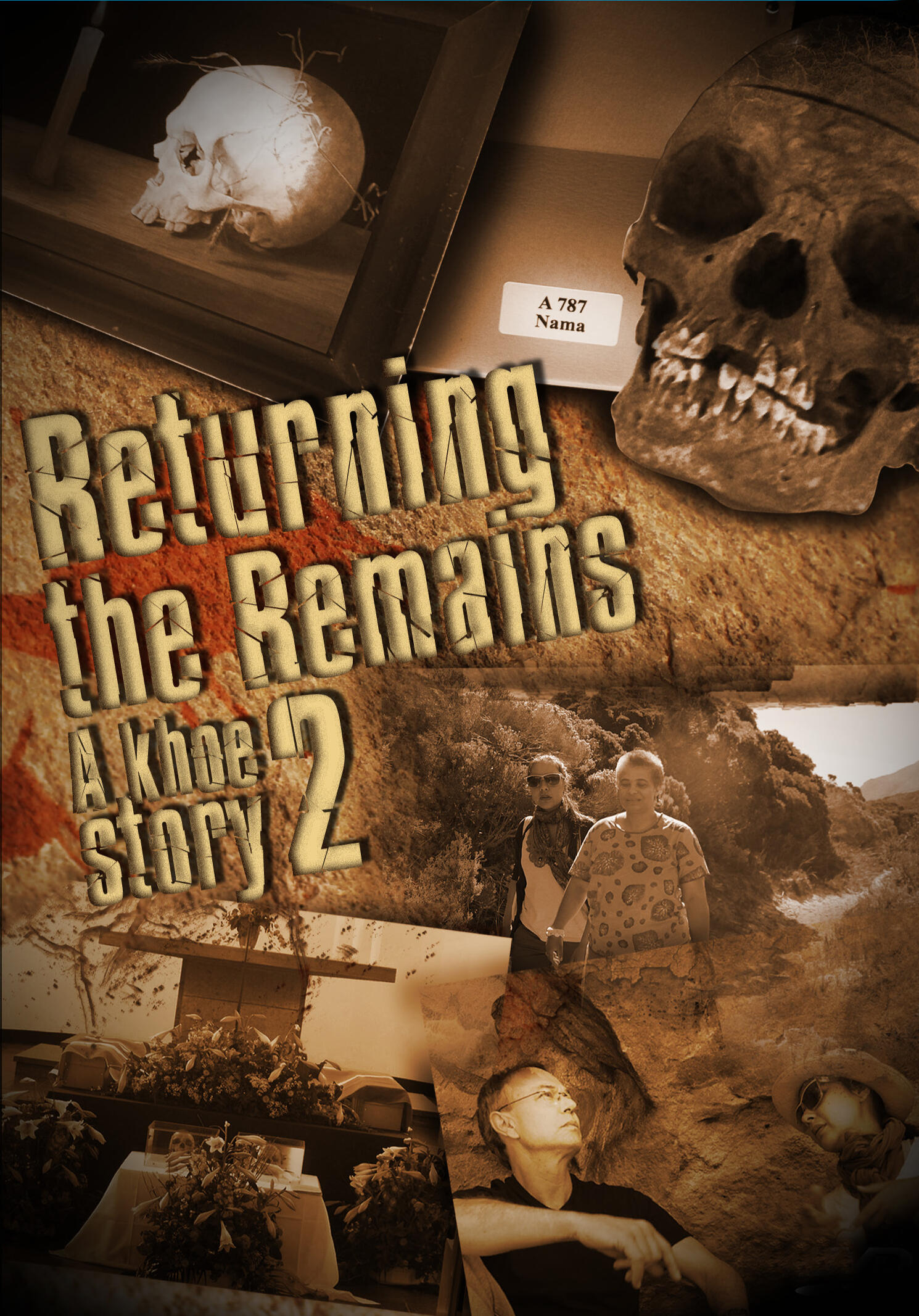
The second installment of the trilogy explores the clandestine genocide of South Africa’s indigenous people. Director Weaam Williams embarks on a personal journey that is one of initial optimism and awe of indigenous communities, leading her to the facts that reveal the genocide that was perpetrated on them.
The film touches on issues of race-based science and social Darwinism, with the remains of indigenous people having been exported to Europe in aid of race-based pseudo science, with special reference to the infamous case of Sarah Baartman.
About
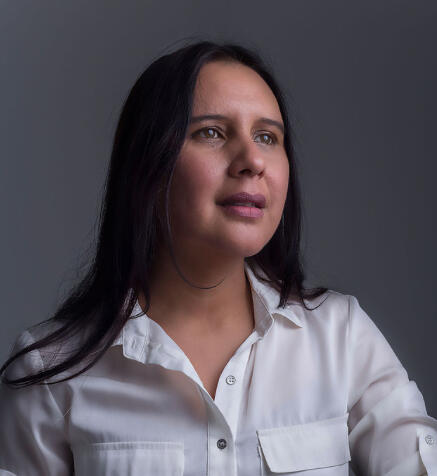
WEAAM WILLIAMS is a screenwriter, producer, director and actor.
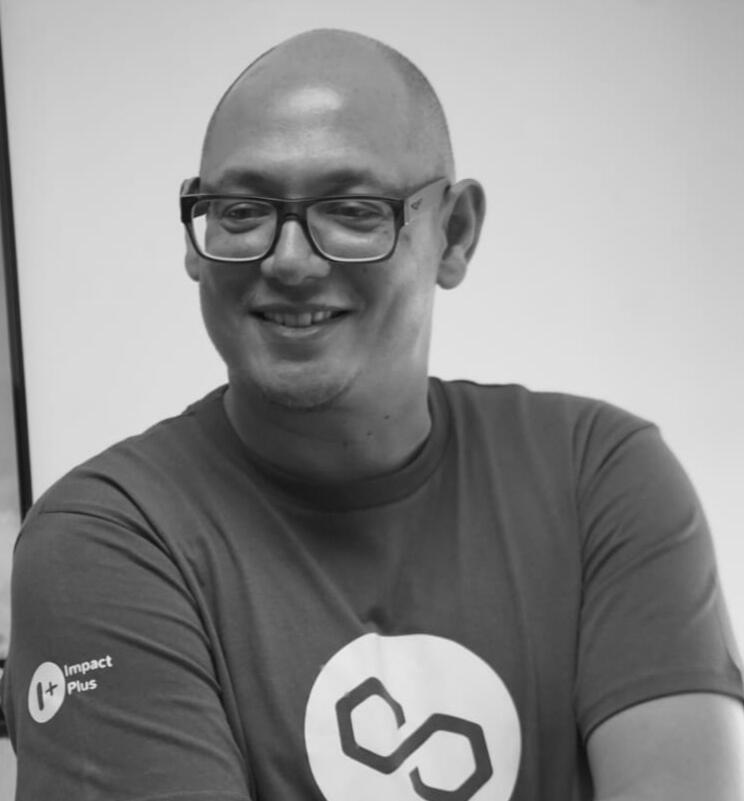
NAFIA KOCKS is a cinematographer, editor and block-chain developer.